
What Are the Horizontal Cracks Near the Bottom of My Stucco?
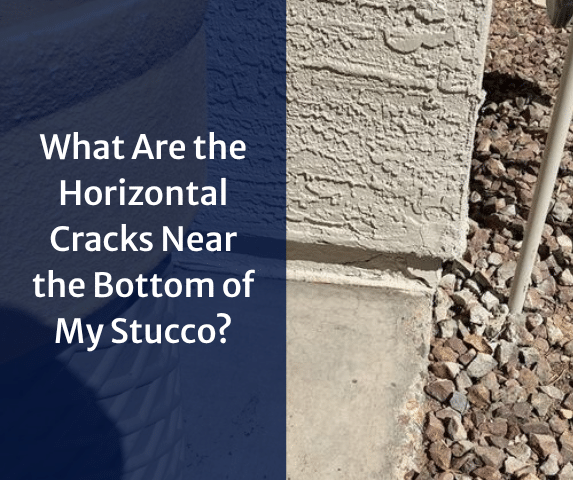
Not all stucco cracks are created equal.
While hairline cracks can develop naturally as a home ages, horizontal cracks appearing near the bottom of exterior stucco walls often deserve closer attention. These cracks may indicate underlying issues that extend beyond the stucco itself.
In many Arizona homes, the area directly behind the lower portion of the stucco contains the stem wall—the reinforced concrete structure that supports the exterior walls and transfers the home's weight to the foundation system below.
When stem walls begin to deteriorate, settle, or experience moisture-related damage, horizontal cracks may develop in the stucco above them.
Understanding what causes these cracks can help homeowners identify potential structural concerns before they become more costly to repair.
Why Horizontal Cracks Are Different
Most cosmetic stucco cracks are vertical, diagonal, or random hairline fractures caused by normal expansion and contraction.
Horizontal cracks near ground level are often different because they may follow the location of the stem wall beneath the stucco.
These cracks can indicate:
-
Moisture intrusion
-
Stem wall deterioration
-
Reinforcing steel corrosion
-
Settlement movement
-
Concrete expansion caused by rusting rebar
Because the crack follows a horizontal path, it may be reflecting a condition occurring within the structure behind the stucco.
What Is a Stem Wall?
A stem wall is the reinforced concrete wall located between the home's foundation footing and the exterior walls.
Its job is to:
-
Support the structure above
-
Transfer loads to the foundation
-
Protect against soil movement
-
Create separation between the home and surrounding soil
In many Arizona homes, the stem wall is hidden behind stucco finishes, making exterior cracking one of the first visible signs that something may be happening underneath.
Moisture Is Often the Root Cause
One of the most common causes of stem wall deterioration is moisture.
Water can reach the stem wall through:
-
Irrigation overspray
-
Poor drainage
-
Leaking hose bibs
-
Improper grading
-
Faulty sprinkler systems
-
Ponding water near the foundation
Although Arizona is known for its dry climate, localized moisture exposure around the foundation can occur year-round.
Over time, repeated moisture exposure may begin affecting both the concrete and the reinforcing steel inside the stem wall.
How Rusting Rebar Creates Horizontal Cracks
Most stem walls contain reinforcing steel, commonly called rebar.
When moisture reaches this steel, corrosion may begin.
As steel rusts, it expands significantly. This expansion creates pressure inside the surrounding concrete.
Eventually, the pressure can cause:
-
Horizontal cracking
-
Concrete separation
-
Stucco cracking
-
Surface bulging
-
Concrete spalling
The resulting crack often appears near the bottom of the stucco because that is where the stem wall is located.
In many cases, the crack is not actually caused by the stucco. The stucco is simply revealing damage occurring beneath the surface.
What Is Concrete Spalling?
Spalling occurs when concrete begins to crack, flake, or break apart due to internal pressure or deterioration.
When rusting rebar expands within a stem wall, sections of concrete may begin separating from the surface.
Homeowners may notice:
-
Crumbling concrete
-
Exposed aggregate
-
Rust stains
-
Flaking stucco
-
Pieces of concrete falling away
Spalling is often a sign that deterioration has progressed beyond a cosmetic issue and should be evaluated by a foundation repair specialist.
Can Foundation Settlement Cause Horizontal Cracks?
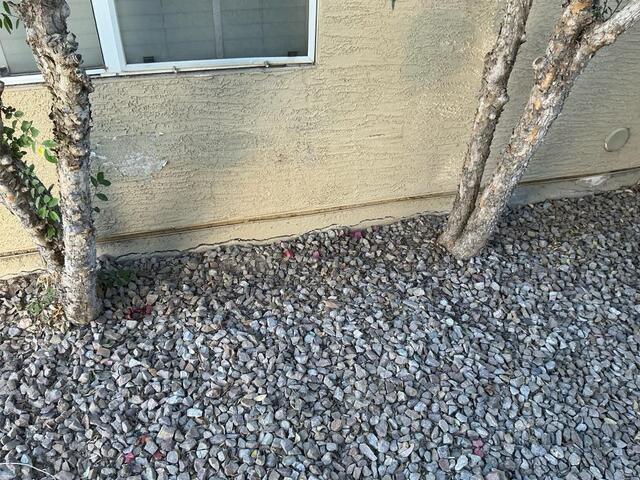
In some situations, yes.
Foundation settlement occurs when soil beneath the home shifts or compresses unevenly.
As portions of the structure move, stress can transfer into the stem wall and surrounding materials.
Settlement-related symptoms may include:
-
Horizontal stucco cracks
-
Stair-step cracking
-
Interior drywall cracks
-
Sticking doors and windows
-
Uneven floors
A professional inspection can help determine whether the crack is related to settlement, moisture damage, or another underlying condition.
Other Warning Signs to Watch For
Horizontal cracks are often accompanied by additional symptoms.
Homeowners should look for:
Rust Stains
Brown or orange discoloration may indicate reinforcing steel corrosion.
Bulging Stucco
A raised or uneven appearance may signal pressure building beneath the surface.
Crumbling Concrete
Loose or deteriorating material may indicate advanced stem wall damage.
Recurring Cracks
Cracks that return after repairs often suggest an unresolved underlying problem.
Interior Wall Cracks
Damage appearing both inside and outside the home may point toward structural movement.
When Should You Schedule an Inspection?
Not every horizontal crack indicates severe structural damage. However, certain situations warrant professional evaluation.
Consider scheduling an inspection if:
-
Cracks continue growing
-
Rust stains are visible
-
Concrete is crumbling
-
Multiple cracks are present
-
Doors or windows are sticking
-
Previous repairs have failed
-
Water regularly accumulates near the foundation
Identifying the source of the damage early can often prevent more extensive repairs later.
Conclusion
Horizontal cracks near the bottom of stucco walls are often more than a cosmetic concern. Because the stem wall sits directly behind this portion of the exterior, cracking may indicate moisture damage, reinforcing steel corrosion, settlement, or concrete deterioration occurring beneath the surface.
While not every crack signals a major structural problem, understanding the warning signs can help homeowners address issues early and protect the long-term stability of their homes.