
Why Is My Stucco Cracking? 7 Signs Your Foundation and Stem Wall May Be Failing
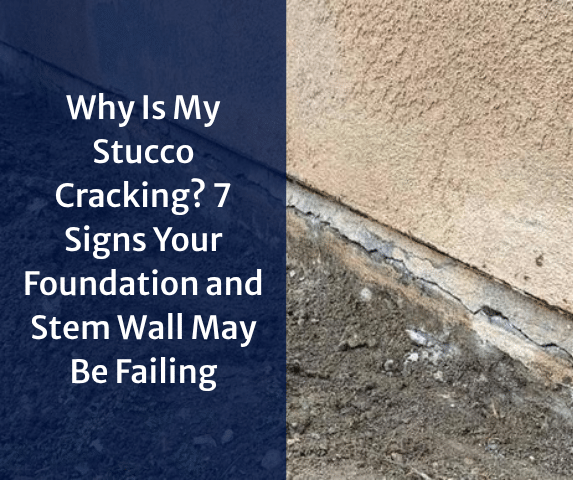
Many homeowners assume stucco cracks are simply a cosmetic issue. While minor hairline cracks can occur naturally over time, larger cracks may indicate a more serious problem developing beneath your home.
In Arizona, many homes are built on concrete slab foundations with stem walls supporting the structure's exterior walls. When a stem wall begins to deteriorate, settle, or shift, the movement can transfer upward into the stucco, creating visible cracks and other warning signs.
Understanding the difference between normal stucco wear and foundation-related damage can help homeowners address problems before they become more expensive to repair.
1. Stair-Step Cracks in Your Stucco
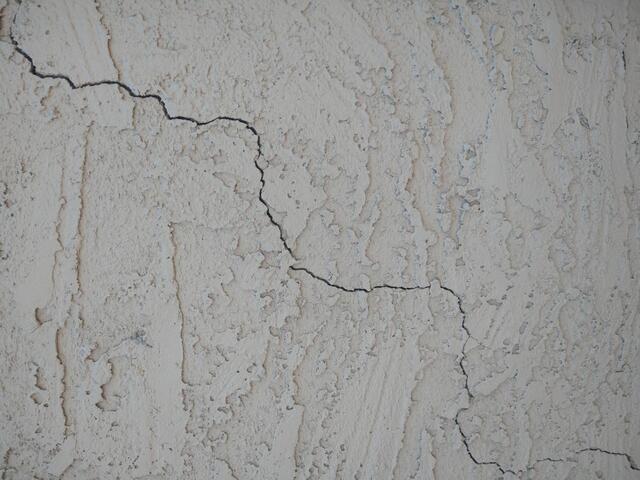
One of the most common signs of foundation movement is a stair-step crack pattern. These cracks often follow mortar joints or create a zig-zag appearance along the exterior wall.
Stair-step cracks may indicate that one portion of the foundation is moving differently than another. As the foundation shifts, stress is transferred into the stucco system, causing it to crack along points of weakness.
While not every stair-step crack indicates severe foundation damage, these cracks should be monitored for growth and evaluated if they continue to expand.
2. Diagonal Cracks Near Windows and Doors
Windows and doors create natural weak points within exterior walls. When foundation movement occurs, stress often concentrates around these openings.
Diagonal cracks extending from the corners of windows and doors may suggest foundation settling, indicating that the structure is no longer supported evenly.
Homeowners may also notice doors becoming difficult to open or close properly as settlement progresses.
3. Horizontal Cracks Near Ground Level
Horizontal cracks near the bottom of stucco walls deserve particular attention.
These cracks may indicate:
â—ÂÂ Stem wall deterioration
â—ÂÂ Moisture-related damage
â—ÂÂ Reinforcing steel corrosion
â—ÂÂ Foundation movement
Because the stem wall sits directly beneath the exterior wall system, damage at this level can becomes visible through the stucco finish.
4. Widening Cracks Over Time
Small stucco cracks that remain unchanged for years are often less concerning than cracks that continue to grow.
Homeowners should periodically photograph and measure cracks. If a crack becomes noticeably wider over several months, foundation movement may still be occurring.
Active movement can allow additional damage to develop throughout the structure if left unaddressed.
5. Cracks Appearing Both Inside and Outside the Home
When cracks begin appearing on both the interior and exterior of the home, it may indicate a structural issue rather than simple stucco aging.
Look for:
â—ÂÂ Drywall cracks near windows and door entry ways
â—ÂÂ Ceiling cracks and separation
â—ÂÂ Floor cracks
â—ÂÂ Exterior stucco cracks
The presence of multiple symptoms often points to movement occurring within the foundation system.
6. Rust Stains or Crumbling Stucco
Moisture intrusion can cause reinforcing steel within a stem wall to corrode.
As steel rusts, it expands. This expansion places pressure on the surrounding concrete and stucco materials, sometimes resulting in:
â—ÂÂ Horizontal cracking
â—ÂÂ Bulging stucco
â—ÂÂ Rust staining
â—ÂÂ Surface deterioration
These symptoms may indicate that stem wall deterioration is occurring beneath the visible surface.
7. Cracks Returning After Previous Repairs
One of the strongest indicators of an underlying foundation issue is when repaired cracks return.
If stucco repairs were completed but cracking reappears in the same location, the original cause may not have been addressed.
Repairing the cosmetic damage without correcting foundation movement often results in recurring cracks and ongoing maintenance expenses.
Conclusion
While not every stucco crack indicates a foundation problem, certain crack patterns and accompanying symptoms can point to stem wall damage or foundation movement. Identifying these warning signs early can help homeowners address issues before they become more extensive and costly.
If you have noticed cracking stucco, recurring repairs, or other signs of structural movement, a professional foundation inspection can help determine whether your stem wall is contributing to the problem.